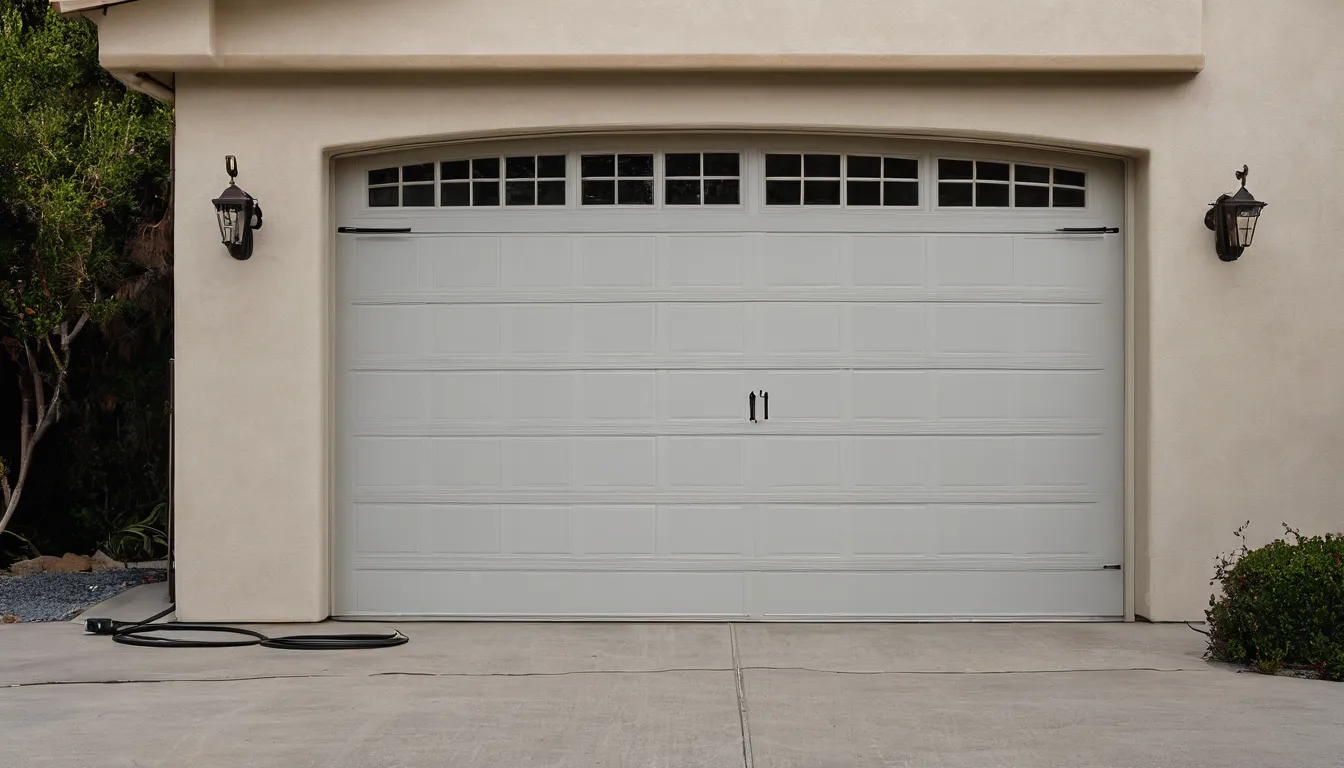
Garage Door Repair in Elk Grove
Request a local provider appointment
A new noise or a change in movement can help a provider narrow down a garage door problem. Note where the door stops, whether both sides move together and what happened before the trouble began. Avoid running it repeatedly to check the symptoms. If the door hangs crooked or has loose cables, leave it alone and keep people away from the opening.
Mindvaley Garage Doors connects homeowners in Elk Grove and the Elk Grove area with independent local garage door repair providers. Share what you have noticed and ask about an assessment. The provider checks the door, explains the findings and sets the repair scope, price and appointment terms. Before agreeing to work, request a written quote and ask which parts and checks it includes.
Stop using a door that looks unsafe
If the door is tilted, partly off its track or hanging above the opening, stop operating it. Keep people and pets clear of both sides. Do not walk beneath it, prop it up or pull the emergency release. A damaged door may move when its support changes. Leave a trapped vehicle where it is until a provider assesses the door. Use another entrance if you can reach it safely.
Request help with the current problem
Request a callback to check provider availability for garage door repair in Elk Grove. Explain whether the door is open, closed or blocking access. If you need emergency garage service, describe the hazard so the provider understands the request. Mindvaley Garage Doors is a referral service. Providers in our network assess doors and perform repairs independently. Ask the provider about appointment timing and any visit charge before making arrangements.
Record the change without repeating it
Think back to the last normal use. Did scraping begin after something struck the door? Does the opener hum while the door stays still? Did one side start rising ahead of the other? Write down what you already observed. Photos taken from a safe distance may help explain visible damage. You do not need to recreate a fault or run the door again to give a useful description.
New sounds can point to wear
Squealing, grinding and knocking can have different causes. Worn rollers, loose hinges or parts rubbing against each other may change how the door sounds. A provider can inspect the moving parts and identify what needs attention. Report where the noise seems to come from and whether it occurs during opening or closing. Adding lubricant without checking the cause may leave a damaged part in use. Avoid spraying products onto tracks or electrical parts.
Uneven travel needs a closer look
A door that jerks, rubs along one side or stops at the same point may have worn hardware or a track problem. Tracks guide the rollers as the door moves. Track alignment involves checking their position and clearance. Leave that work to the provider. Do not hammer a bent track, loosen its brackets or try to push a roller back into place. The provider should also check why the door moved out of position.
When the opener responds differently
A remote that fails while the wall control works presents a different problem from a motor that runs without moving the door. Report which controls respond and any flashing lights or displayed codes. If the door is closed and stable, you can check the remote battery and look for an obvious power interruption. Avoid repeated attempts when the motor strains. Ask whether the fault can be repaired before considering a new garage door opener.
A door that reverses before closing
Look from a safe position for stored items near the opening or something blocking the sensor path. Sensors are usually mounted near the floor on each side. Only clear an obstruction when the door is stationary and you can stay outside its travel path. Do not bypass sensors or change force settings to make the door close. Tell the provider whether it reverses near the floor or stops higher up. That detail helps direct the inspection.
Balance affects the whole mechanism
The spring system offsets the door's weight. When that support changes, the door may feel heavy or place extra strain on the opener. Leave balance testing to the provider when a fault is suspected. Do not disconnect the opener to test a door that looks damaged or unstable. Garage door spring repair may be a separate part of the proposed work. Ask the provider to explain any findings and include the required work in the quote.
Know what the repair quote includes
Request a written breakdown after the assessment. Ask which parts have failed, what work is proposed and whether labor is included. Confirm any diagnostic charge and how additional work would be approved. If a panel is damaged, ask whether a matching replacement is available and whether adjacent sections remain sound. A clear quote should let you distinguish the necessary repair from optional changes. The provider sets prices, payment terms and any warranty terms.
Compare repair with the door's condition
A single worn component may support a focused repair when the rest of the door is sound. Several damaged sections or parts that are difficult to obtain may change that assessment. Ask the provider to explain the expected result of the repair and any remaining problems. You can request a separate replacement estimate if needed. There is no need to decide based only on the door's age or appearance.
Watch for recurring seasonal problems
During long dry periods, dust can collect near sensors and moving parts. After winter rain, look for water near the threshold or changes in the bottom seal. Smoke residue may also settle on exposed surfaces. Follow the manufacturer's cleaning and maintenance instructions, and report recurring sticking or rubbing. On older homes, mention previous alterations around the garage opening. Avoid adjusting hardware to compensate for a problem that has not been assessed.
Prepare for the provider's visit
Move stored items away from accessible work areas without passing under an unstable door. Have the opener model and any prior repair paperwork ready if available. Confirm who will attend, what the assessment includes and how repair approval works. After the work, ask the provider to demonstrate operation and explain the checks performed. Keep the quote and repair record so a later change is easier to describe.
What's Included
Door Movement Assessment
A local provider checks reported sticking, uneven travel and rubbing to identify the repair needed.
Roller, Hinge And Track Checks
The provider examines worn hardware and track position before recommending parts or adjustments for your door.
Opener Diagnosis
Control failures, sensor faults and motor symptoms help the provider narrow down an opener problem.
Repair Scope
Ask for written details covering proposed parts, labor and checks after the repair.
What Garage Door Repairs Typically Cost
These typical U.S. ranges are planning figures, not quotes for your door. Prices vary by damage, parts, access and provider. Ask for a written quote that identifies labor, materials and any diagnostic charge before you approve the proposed repair work.
| Repair item | Typical U.S. range | What affects the price |
|---|---|---|
| Roller replacement | $100 to $250 | Roller type and number replaced |
| Track adjustment or repair | $125 to $400 | Track damage and replacement needs |
| Cable replacement | $150 to $350 | Cable setup and related damage |
| Safety sensor repair or replacement | $100 to $250 | Wiring condition and compatible parts |
| Garage door opener repair | $100 to $300 | Failed component and parts availability |
| Single panel replacement | $250 to $800 | Panel size, material and matching availability |
How It Works
Describe The Change
Use the request form to explain the door's behavior, current position and whether it is blocking access to your garage.
Discuss The Provider Visit
Ask the local provider about availability, assessment charges and what access they need for inspection.
Review The Written Scope
Check the proposed repair, parts and total price before giving the provider approval.
Review Operation After Repair
Ask the provider to demonstrate operation, explain completed checks and provide a record of repairs.
Why Call Mindvaley Garage Doors
Start With Symptoms
Describe what changed so a local provider has useful details before discussing an appointment for your garage door problem.
Clear Responsibilities
Mindvaley Garage Doors handles referrals. The independent provider assesses your door, proposes repairs and sets the terms for the work.
Ask Before Approval
Discuss the findings, charges and proposed parts with the provider before deciding whether to approve repairs.
Useful Preparation
Knowing what to report helps you prepare for the visit and discuss the repair without testing an unsafe door.
Other Services
Need garage door repair in Elk Grove?
Describe your garage door problem or installation plans. Include your location and access concerns so a local provider can discuss your request.
No obligationGarage Door Repair FAQ
Can I use my garage door if it opens crooked?
Stop using it and keep the opening clear. Uneven movement can involve cables, tracks or the spring system. Do not pull the release or try to straighten the door. Describe its position to a local provider and arrange an assessment before operating it again.
Why does my garage door start closing and then reverse?
A blocked sensor path, sensor fault or resistance in the door's movement can cause reversal. Check for visible obstructions from a safe position. Leave force settings unchanged and request a provider assessment.
Does Mindvaley Garage Doors perform garage door repairs?
Mindvaley Garage Doors is a referral service connecting homeowners with independent local providers. The provider inspects the door and performs any approved repair. Confirm appointment availability, charges, the written scope and any warranty terms directly with the provider before agreeing to work.
Get in touch
Describe your garage door problem or installation plans. Include your location and access concerns so a local provider can discuss your request.
No obligation